
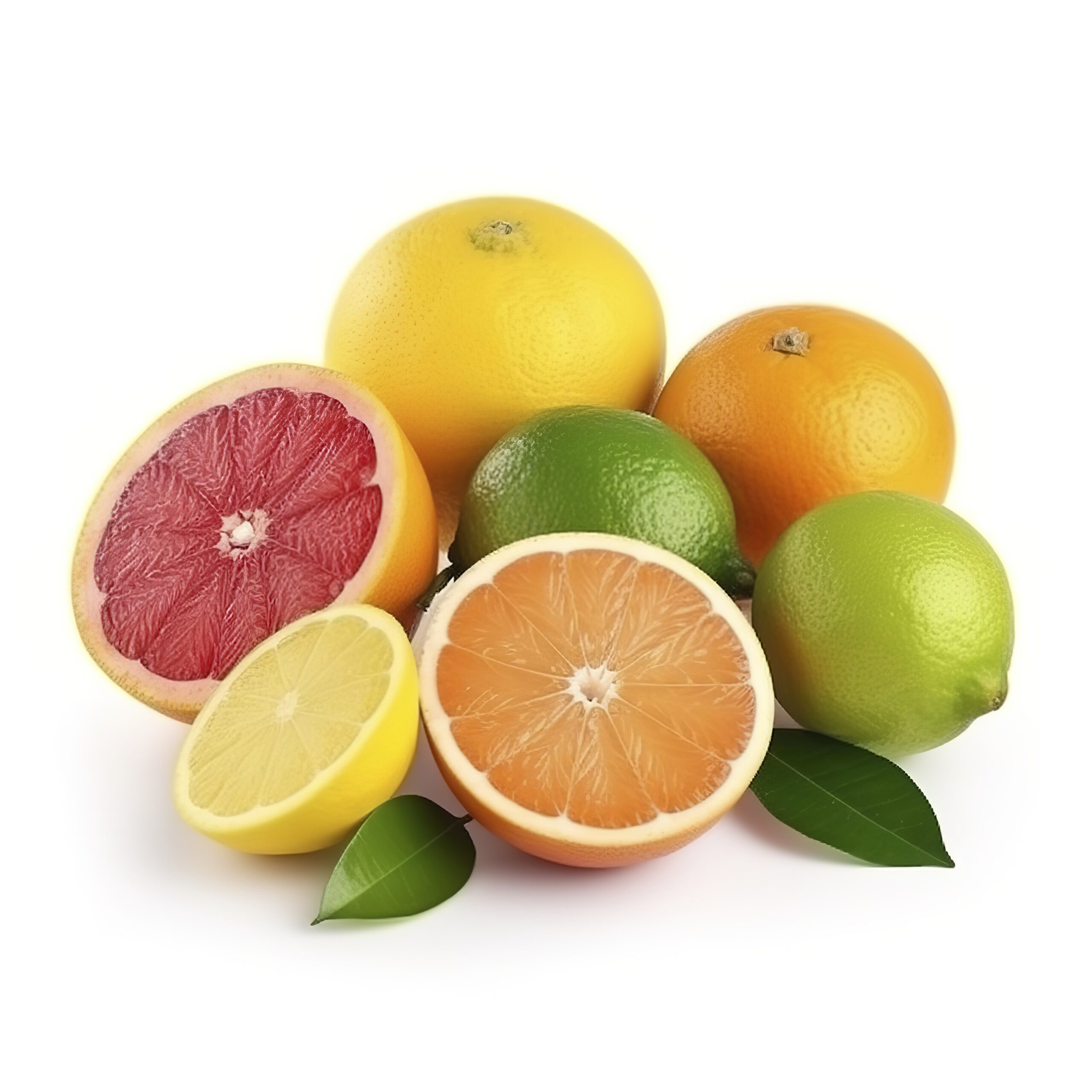
Citrus Fruits: Types, Uses, and Flavor Profiles
Citrus fruits are a staple in kitchens around the world, known for their bright flavors, vibrant colors, and health benefits. Whether you’re zesting a lemon for dessert, squeezing lime into a cocktail, or enjoying a sweet mandarin as a snack, there’s a citrus fruit for every need. This guide explores the most popular types of citrus fruits and their common uses in cooking, baking, and beyond.
What Are Citrus Fruits?
Citrus fruits belong to the Rutaceae family and are native to tropical and subtropical regions. They are typically rich in vitamin C, antioxidants, and other beneficial compounds. Each citrus fruit has its own distinct taste, aroma, and culinary role.
—
1. Orange
Use: Juices, marmalades, baking, snacking
Flavor: Sweet and slightly tangy
Oranges are among the most widely consumed citrus fruits. Varieties like navel and Valencia are perfect for eating fresh or making fresh-squeezed juice.
—
2. Lemon
Use: Marinades, desserts, salad dressings, cleaning
Flavor: Bright, tart, and acidic
Lemons are incredibly versatile. From enhancing seafood to balancing sweetness in desserts, they are a must-have in every kitchen.
—
3. Lime
Use: Cocktails, Mexican and Thai dishes, marinades
Flavor: Sharp and zesty
Limes add a punch of acidity to drinks and dishes. Key limes and Persian limes are the most common types.
—
4. Grapefruit
Use: Fresh eating, juices, breakfast dishes
Flavor: Bitter-sweet with a tangy bite
Grapefruits can be red, pink, or white. Their bittersweet flavor pairs well with salads and yogurt.
—
5. Tangerine
Use: Snacking, salads, sauces
Flavor: Sweet and mildly tart
Smaller and easier to peel than oranges, tangerines are ideal for lunchboxes and quick snacks.
—
6. Clementine
Use: Snacking, baking, kid-friendly treats
Flavor: Extra sweet and juicy
Clementines are seedless and easy to peel, making them a popular choice for children.
—
7. Pomelo
Use: Salads, Asian cuisine, candied peel
Flavor: Mild and sweet, less acidic
The largest citrus fruit, pomelo is thick-skinned with a firm texture and subtle sweetness.
—
8. Mandarin
Use: Fresh eating, sauces, preserves
Flavor: Sweet and floral
Mandarins are a base species for many hybrid citrus varieties, including tangerines and clementines.
—
9. Yuzu
Use: Japanese cuisine, ponzu sauce, desserts
Flavor: Tart with floral notes
Highly aromatic, yuzu is used for its juice and zest in sauces, sweets, and even cocktails.
—
10. Kaffir Lime
Use: Thai and Southeast Asian dishes
Flavor: Intense and aromatic (leaves are prized)
Kaffir lime leaves are more commonly used than the fruit, adding a distinct citrusy fragrance to curries and soups.
—
11. Blood Orange
Use: Salads, juices, sauces, cocktails
Flavor: Sweet with berry-like undertones
Known for its deep red flesh and complex flavor, the blood orange is as visually stunning as it is tasty.
—
12. Calamansi
Use: Filipino and Southeast Asian recipes, marinades, beverages
Flavor: Sour and tangy with a hint of sweetness
This tiny fruit packs a punch and is a staple in Filipino cuisine, often used like lemon or lime.
—
Final Thoughts
From sweet to sour, citrus fruits bring brightness and depth to both sweet and savory dishes. Whether you’re sipping blood orange juice, zesting lemon for a cake, or making a lime marinade, these fruits can elevate your culinary creations. Keep a mix of them in your kitchen to unlock bold, fresh flavors every day.
—
Keywords: citrus fruits, types of citrus fruits, culinary uses of citrus, lemon vs lime, grapefruit benefits, sweet citrus fruits, sour citrus varieties, how to use yuzu, citrus for cooking, fruit flavor guide