
Choose the Right Trellis for Your Vegetables: A Complete Guide
Feeling overwhelmed by all the trellis options out there for your garden? Don’t worry — I’ve got you covered. In this guide, we’ll break down the different types of trellises and help you figure out which ones are best suited for your vegetables. Let’s dive in!
—
Why Use a Trellis for Your Vegetables?
You might be wondering, “Do I even need a trellis?” The short answer is: yes, probably.
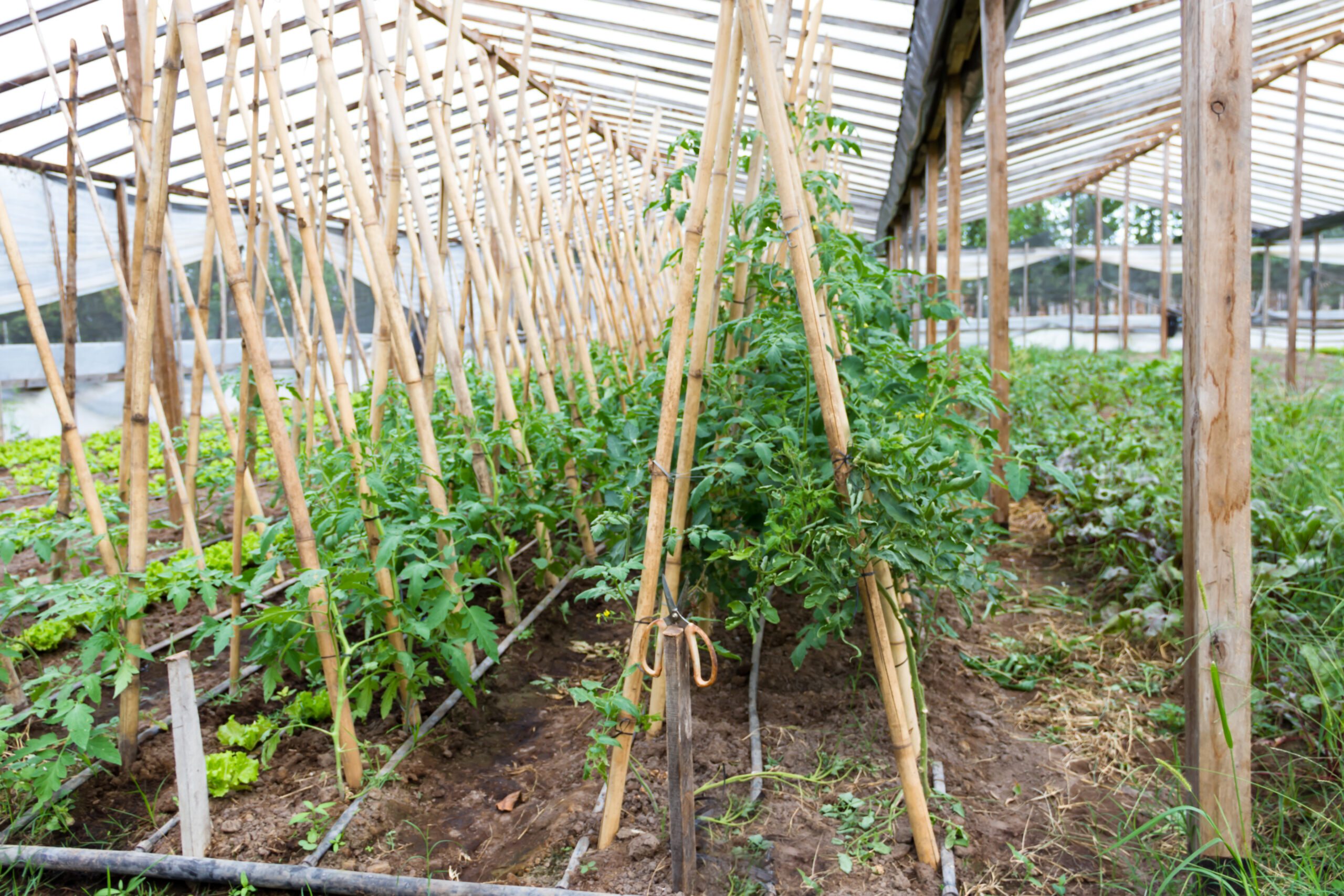
Trellises support your plants, especially as they grow taller and begin to bear fruit. Without a trellis, heavier plants can collapse under their own weight, touch the ground, and become more susceptible to pests, disease, and rot. A trellis promotes healthy vertical growth and makes harvesting a lot easier, too.
—
Types of Trellises & What to Grow
1. Stake Trellis
Great for: Peas, tomatoes, peppers, beans, eggplants
This is one of the simplest types—individual stakes driven into the ground beside each plant. It’s perfect for plants that need a bit of upright support. Use strong wooden or metal stakes and tie plants gently using soft ties. For added strength, group stakes together with twine.
2. Cage Trellis
Great for: Tomatoes, peas, peppers
Cage trellises are circular and help contain plants, preventing them from sprawling. Tomatoes especially benefit from these since they grow tall and heavy. Make sure your cage is sturdy and anchored securely.
3. Tripod Trellis
Great for: Peas, beans, tomatoes, cucumbers, peppers
Made by tying three poles at the top to form a teepee shape. It’s ideal for lightweight climbers and looks quite charming in your garden. Just ensure it’s stable enough to handle the weight.
4. Teepee Trellis
Great for: Pole beans, peas, cucumbers
Similar to the tripod but typically larger and more suited for vigorous climbers. Bamboo poles make a great eco-friendly option.
5. A-Frame Trellis
Great for: Squash, cucumbers, melons, pole beans, tomatoes
Two panels leaned together to form an “A” shape — perfect for heavier crops. Keeps fruits off the ground and makes harvesting easier.
6. Flat Trellis
Great for: Peas, beans, cucumbers, melons
This vertical structure is usually made of wood or metal mesh. It’s simple, space-efficient, and should be placed where your plants can get even sunlight.
7. Fence Trellis
Great for: Tomatoes, squash, melons, other heavy climbers
A practical way to reuse existing garden fencing. Just make sure it’s strong enough to hold the weight of larger fruits.
8. Arch Trellis
Great for: Cucumbers, melons, beans, squash
An arched structure that plants climb over — functional and decorative. It adds a beautiful, tunnel-like effect to your garden.
9. Obelisk Trellis
Great for: Cucumbers, beans, tomatoes
A tall, pyramid-shaped frame, usually made of wood or metal. It’s ideal for small spaces and encourages vertical growth.
10. Ladder Trellis
Great for: Beans, peas, cucumbers
Looks like a ladder and works just as simply. You can DIY one from an old ladder or construct it yourself. Great for beginners!
11. Net Trellis
Great for: Peas, cucumbers
Made of flexible netting — lightweight and easy to set up. Best used for delicate climbers, as heavier crops may tear it down.
—
Tips for Choosing the Right Trellis
Match the trellis to your plant’s weight and growth habit.
Keep your garden size in mind — compact trellises are ideal for smaller spaces.
Use durable materials for heavy crops like melons and squash.
Place trellises where your plants will get enough sunlight.
—
Final Thoughts
A good trellis can make a world of difference in your vegetable garden. It not only supports healthy plant growth but also keeps your crops cleaner, safer, and easier to harvest. Choose the trellis that fits your space and crops, and you’ll be well on your way to a thriving garden!
—