
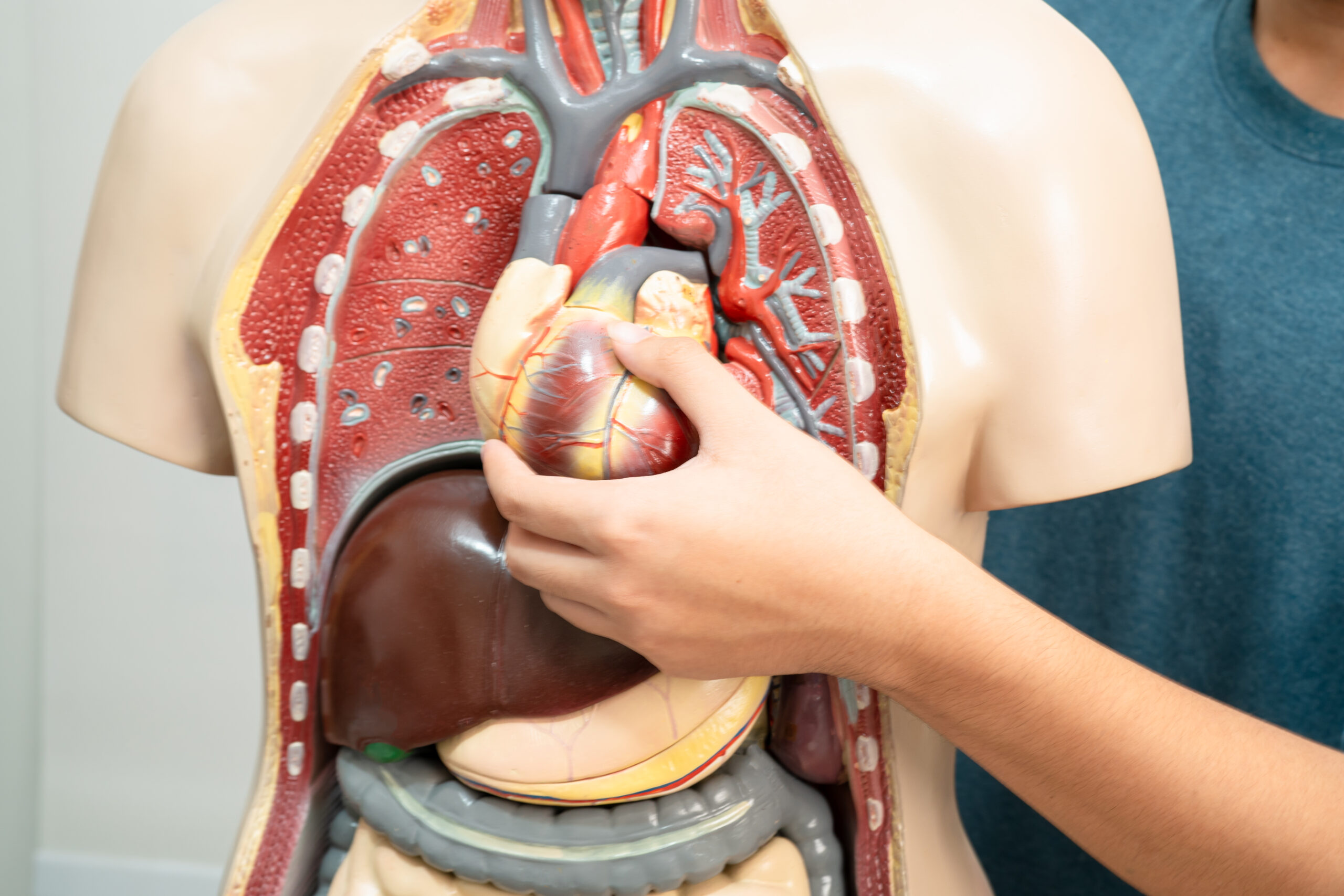
The Emotional Impact on Our Organs: What You Didn’t Know from Traditional Chinese Medicine
Introduction: When Feelings Shape Health
In today’s fast-paced world, emotional wellness often takes a backseat to physical health. But in Traditional Chinese Medicine (TCM), the two are inseparable. Emotions don’t just affect your mood — they can also directly influence your internal organs. Curious how sadness might impact your lungs or how trust can support your kidneys? You’re not alone.
Let’s explore the fascinating world of TCM, where ancient wisdom reveals how emotions and organs are intricately connected — and how balancing your feelings may be the key to better health.
—
Understanding the TCM Perspective: Emotions as Energetic Influences
In Traditional Chinese Medicine, each major organ system is associated with a specific emotion. TCM views emotional energy as flowing through the same meridians that carry physical energy (Qi) throughout the body. When emotions are intense or prolonged, they can disrupt this flow, leading to physical imbalances.
At the same time, cultivating positive emotions can support and nourish these organs, helping to restore balance and promote healing.
—
The Emotion-Organ Connection in TCM
Joy and the Heart (and Small Intestine)
Associated Organ: Heart (and small intestine)
Balanced emotion: Joy
Imbalance: Overexcitement, restlessness
Joy is vital to heart health in TCM. A balanced sense of happiness supports mental clarity, emotional calm, and cardiovascular vitality. But excessive stimulation or mania can overstimulate the heart, leading to anxiety or insomnia.
Tip: Cultivate calm joy through mindfulness, music, and heart-centered breathing.
—
Sadness and the Lungs (and Large Intestine)
Associated Organ: Lungs (and large intestine)
Balanced emotion: Grief acknowledged and released
Imbalance: Deep sadness, depression, emotional withdrawal
The lungs are linked to grief. When we experience loss and fail to process it, the lungs may become weakened — leading to fatigue, shallow breathing, or even respiratory issues.
Tip: Support lung health by practicing breathwork, journaling grief, or spending time in fresh air.
—
Anger and the Liver (and Gallbladder)
Associated Organ: Liver (and gallbladder)
Balanced emotion: Patience
Imbalance: Rage, resentment, frustration
Anger in TCM is rooted in the liver. While assertiveness is healthy, chronic irritation or suppressed rage can stagnate liver Qi, leading to tension headaches, PMS, or digestive issues.
Tip: Practice emotional release techniques like movement, creative expression, or liver-friendly diets (leafy greens, dandelion root tea).
—
Fear and the Kidneys (and Bladder)
Associated Organ: Kidneys (and bladder)
Balanced emotion: Trust and courage
Imbalance: Chronic fear, insecurity, panic
Fear weakens the kidneys, which in TCM are considered the foundation of life force (Jing). Long-term fear and anxiety can deplete kidney energy, affecting your stamina, immunity, and even reproductive health.
Tip: Foster inner safety through grounding exercises, herbal tonics, and supportive relationships.
—
Worry and the Spleen
Associated Organ: Spleen
Balanced emotion: Clarity and focus
Imbalance: Overthinking, obsessive thoughts, worry
The spleen in TCM governs digestion and thought. Excessive worry leads to “mental digestion” issues — poor concentration, fatigue, and even digestive upset.
Tip: Support your spleen with warm, nourishing foods, meditation, and setting mental boundaries.
—
Trust and the Kidneys
While fear weakens the kidneys, trust strengthens them. TCM emphasizes the role of emotional safety and inner confidence in preserving kidney energy.
Tip: Build routines and supportive environments to cultivate trust — both in yourself and the world.
—
Patience and the Liver
Just as anger harms the liver, patience restores it. Practicing patience allows liver Qi to flow freely, reducing tension and fostering emotional resilience.
Tip: Try slow, deliberate movement practices like Tai Chi or gentle yoga to embody patience.
—
Emotions as Medicine: Finding Balance in Modern Life
In TCM, emotions aren’t good or bad — they’re signals. When acknowledged and processed, they help restore balance. But when suppressed or prolonged, they can cause energetic blockages that affect your health.
By tuning into your emotional state and supporting the corresponding organs, you create space for healing from the inside out.
—
Final Thoughts: Healing Through Emotional Awareness
The TCM view of emotional health reminds us that wellness is holistic. Your feelings are not separate from your body — they’re deeply entwined. Whether it’s practicing joy to support your heart or embracing patience to soothe your liver, your emotional choices can shape your physical well-being.
Start small. Breathe deeply. Feel fully. Heal naturally.